


Top Places to Visit in Indore in 2026
India’s cleanest city for seven consecutive years running. A food culture so obsessive and so specific that people fly in from Mumbai and Delhi specifically to eat on Sarafa Bazaar on a Friday night.
A compact geography that means you can get from one end of the city to the other in 30 minutes on a normal day. A cost of living that makes other Indian cities feel predatory. A student population that gives it permanent energy. And around it, within two to three hours in any direction, some of the most significant historical and natural sites in Central India – Mandu, Maheshwar, Omkareshwar, the Marble Rocks at Bhedaghat.
If you are a student at IIT Indore, IIM Indore, DAVV, or one of the dozens of other colleges here, or a young professional working in one of the city’s growing IT and manufacturing sectors, this guide is for you. Not a recycled travel list. A real, practical, locally informed guide to Indore and everything within reach of it.
Understanding Indore Before You Start Exploring
Indore is relatively compact compared to the metros. Understanding its basic geography takes about a week of living here. If you are looking for aPG in Indore that offers proximity to these hubs, it helps to know the zones first.
Zone | Key Areas | Known For |
Central Indore | Rajwada, Sarafa, Chappan Dukan, Khajuri Bazaar | Heritage core, best street food in the city, markets |
South Indore | Vijay Nagar, Scheme 54, AB Road | Young professional and student belt, cafes, malls, restaurants |
West Indore | Palasia, Geeta Bhawan, Bhawarkuan | Older residential areas, colleges, good food |
North Indore | Lasudia, Kanadiya, MR 10 Road | Newer developments, growing residential zones |
East Indore | Rau, Dewas Nagar, Super Corridor | IT corridor, IIT and IIM campuses, newer infrastructure |
Outskirts | Mandu, Maheshwar, Omkareshwar, Ujjain | Day trips and weekend destinations – some of the finest sites in Central India |
Indore does not have a metro yet – the Indore Metro is under construction and partial sections are expected to become operational in 2025-2026. Check current status at Indore Metro Rail. Currently, autos, e-rickshaws, and app-based cabs are the primary modes of transport. The city is compact enough that most destinations are accessible within 30 to 40 minutes from anywhere.
If you are looking for well-located student or professional accommodation, Stanza Living has residences near Indore’s college campuses and professional zones. Explore options at Stanza Living.
Top Historical and Cultural Places to Visit in Indore in 2026
Indore was the seat of the Holkar dynasty – Maratha rulers who governed this region from the 18th century and built an architectural legacy that the city has not fully appreciated or promoted. That is changing slowly, and for residents who take the time to explore it, the heritage layer is genuinely rewarding.
1. Rajwada Palace – The Historic Heart of Indore
A seven-storey palace built by the Holkar rulers approximately 200 years ago, Rajwada stands at the centre of old Indore and remains the city’s most important historical landmark. The structure combines Maratha, Mughal, and French architectural elements – an unusual combination that reflects the cosmopolitan nature of the Holkar court. The palace has been damaged by fire and restored multiple times but the main facade and the lower floors are impressive.
Detail | Information |
Entry fee | Rs 10 for Indian citizens |
Official info | |
Timings | 10am to 5pm, closed on Mondays |
Time needed | 1 to 1.5 hours |
Location | Rajwada Chowk, Central Indore |
Best time | Morning on a weekday when the chowk is less crowded |
Combine with | Sarafa Bazaar evening (10 minutes walk), Khajuri Bazaar, and the old city neighbourhood walk |
Photography | Allowed throughout |
The Stanza Living lens: Rajwada is the kind of place that Indore residents walk past a hundred times without going inside. The interior is more interesting than the exterior suggests – the durbar hall, the old photographs, and the architectural details are worth the ten rupee entry. Go on a Tuesday morning and you may have it almost entirely to yourself.
2. Lal Bagh Palace – The Holkar Rulers’ European Fantasy
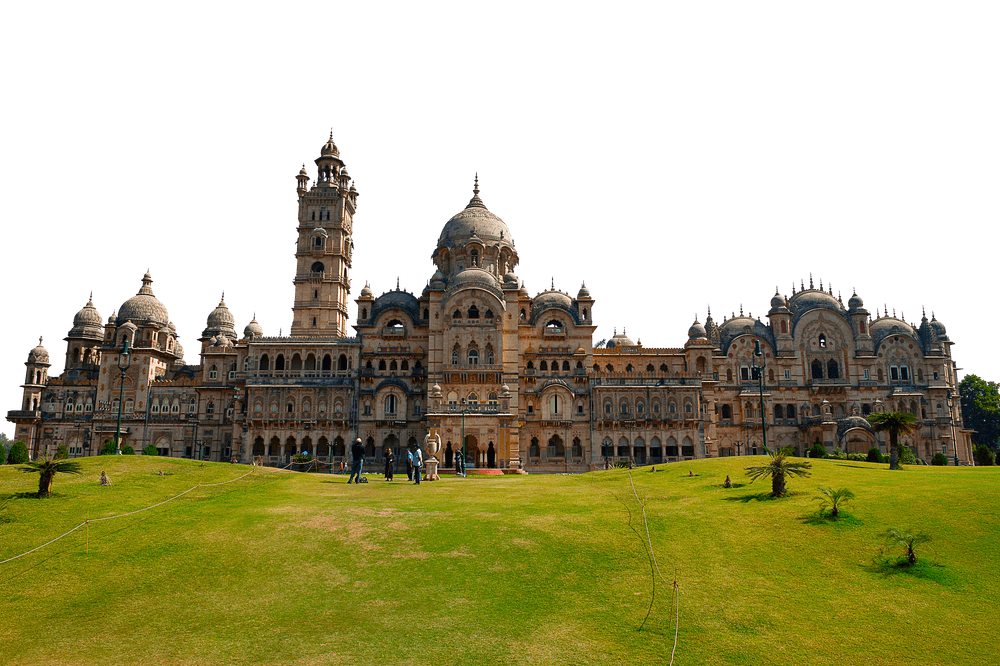
Built between 1886 and 1921 by the Holkar rulers, Lal Bagh Palace is one of the most extraordinary pieces of architecture in Central India. Designed by a series of European architects and decorated in a style that mixes Italian Renaissance, Baroque, and Rococo elements, the palace was intended to rival the great European royal residences. The interior contains original furniture, Belgian crystal chandeliers, Italian marble floors, and a collection of European art and decorative objects assembled by the Holkars over decades.
Detail | Information |
Entry fee | Rs 30 for Indian citizens, Rs 200 for foreign nationals |
Official booking | |
Timings | 10am to 5pm, closed on Mondays |
Time needed | 1.5 to 2 hours |
Location | Lal Bagh area, South-Central Indore |
Photography | Rs 100 for camera inside the palace |
Do not miss | The Venetian glass work, the Italian marble staircase, and the formal gardens |
Best time | Weekday morning when lighting inside is better |
The Stanza Living lens: Lal Bagh Palace is the single most underrated monument in Indore and arguably one of the most underrated in Central India. The quality of the interior craftsmanship – the Italian marble, the Belgian glass, the carved wood ceilings – is genuinely remarkable. Most Indore residents have never been inside. That is a mistake worth correcting.
3. Central Museum Indore (Indore Museum) – A Surprisingly Rich Collection
Housed in a 19th century building near the Lal Bagh area, the Central Museum contains one of the most significant collections of Parmar dynasty sculpture in India – beautifully carved 10th and 11th century temple sculptures from the Malwa region, as well as natural history exhibits, manuscripts, coins, and armour from the Holkar period.
Detail | Information |
Entry fee | Rs 10 for Indian citizens |
Official info | |
Timings | 10am to 5pm, closed on Mondays and national holidays |
Time needed | 1 to 1.5 hours |
Location | Agra-Mumbai Road, near Lal Bagh Palace |
Do not miss | The Parmar sculpture gallery – 10th century temple carvings from Malwa at their finest |
Best time | Weekday morning |
4. Kanch Mandir – The Glass Temple
A Jain temple built in the early 20th century and decorated entirely – floor, ceiling, walls, pillars – with coloured glass mosaic work. The effect is unlike anything you have seen in any other religious building in India. Every surface reflects and refracts light in a way that is genuinely disorienting and extraordinarily beautiful.
Detail | Information |
Entry | Free |
Dress code | Remove footwear, dress conservatively |
Timings | 6am to 8pm daily |
Location | Seth Hukumchand Marg, Central Indore |
Time needed | 30 to 45 minutes |
Photography | Generally restricted inside – ask the caretaker |
Best time | Morning when natural light enters the glass-covered interior |
The Stanza Living lens: This is the one place in Indore that genuinely surprises everyone who visits for the first time. The photographs do not capture what it actually feels like to stand inside – the way every surface is covered in coloured mirror and glass, the way light behaves inside the space. It takes about 30 minutes and costs nothing.
5. Chhatris of the Holkar Rulers – Riverside Memorials
A cluster of cenotaphs (memorial structures) built for the Holkar rulers on the banks of the Khan River, the Holkar Chhatris are among the finest examples of Maratha memorial architecture in Central India. The chhatris of Malhar Rao Holkar and Ahilyabai Holkar are the most significant. Ahilyabai Holkar – who ruled from Maheshwar and is one of the most remarkable rulers in Indian history – is revered across the Malwa region and her chhatri is an important pilgrimage point.
Detail | Information |
Entry | Free |
Location | Near Bada Ganpati, Central Indore |
Timings | Open all day |
Time needed | 45 minutes to 1 hour |
Official info | |
Combine with | Bada Ganpati temple and the old city walk |
Top Temples and Spiritual Sites in Indore
1. Bada Ganpati Temple
Home to what is reputedly the largest Ganesh idol in the world – a 25-foot seated Ganpati in an orange-painted temple near the city centre. The temple is a major religious landmark for Indore and draws large crowds during Ganesh Chaturthi.
Detail | Information |
Entry | Free |
Timings | 5am to 10pm daily |
Location | Near Rajwada, Central Indore |
Best time | Early morning or evening aarti |
2. Khajrana Ganesh Temple
One of the most significant Ganesh temples in Madhya Pradesh, believed to have been consecrated by Ahilyabai Holkar. The temple is extraordinarily busy on Wednesdays and during Ganesh Chaturthi but the evening aarti is worth experiencing.
Detail | Information |
Entry | Free |
Timings | 5am to 11pm daily |
Location | Khajrana, East Indore |
Best time | Wednesday evening aarti |
Official info |
3. Annapurna Temple
A relatively modern temple (1997) dedicated to the goddess Annapurna that has become one of the most distinctive architectural landmarks in Indore. The temple complex includes replicas of several famous Indian temples and is a significant pilgrimage point for the city.
Detail | Information |
Entry | Free |
Timings | 5am to 12pm and 4pm to 10pm |
Location | Sudama Nagar, South Indore |
Best time | Early morning |
Top Parks and Natural Spaces in Indore
1. Kalideh Palace and Shipra River – A Hidden Heritage Site
A 15th century palace on an island in the Shipra River, 23 kilometres from Indore near Ujjain. Built by the Malwa Sultanate and later used by Mughal Emperor Akbar, Kalideh Palace sits in a remarkably peaceful location surrounded by the river. Almost nobody visits it despite being one of the more historically significant sites near Indore.
Detail | Information |
Entry | Free |
Distance | 23 km from Indore toward Ujjain |
Time needed | 2 hours including travel from the highway |
Official info | |
Best time | Morning visit combined with the Ujjain day trip |
2. Sirpur Lake – Bird Watching Inside the City
A lake on the northwestern edge of Indore that attracts migratory birds from October to February – painted storks, pelicans, flamingos, and various duck species. The lake is one of the best accessible bird-watching spots in Madhya Pradesh and is virtually unknown outside the city’s birding community.
Detail | Information |
Entry | Free |
Best time | Early morning October to February |
Location | Sirpur, North-West Indore |
What to bring | Binoculars – birds are at the water’s edge |
Bird watching info |
3. Pipliyapala Regional Park (Atal Bihari Vajpayee Regional Park)
A large landscaped park with a lake, walking paths, boating, a musical fountain, and food stalls – one of the most popular leisure spaces in Indore for residents.
Detail | Information |
Entry fee | Rs 20 for adults, Rs 10 for children |
Boat ride | Rs 40 to Rs 60 |
Official info | |
Timings | 9am to 8pm, closed on Mondays |
Location | Pipliyapala, South Indore |
Best time | Evening for the musical fountain |
Indore’s Best Neighbourhoods to Explore
1. Sarafa Bazaar – The Night Food Market That Defines Indore
Sarafa Bazaar is a jewellery market by day and one of the most extraordinary street food destinations in India by night. From approximately 8pm until 1am, the jewellery shops close and the street fills with food stalls serving the full range of Indori street food – garadu, dal bafla, shikanji, jalebi, bhutte ka kees, and dozens of other dishes that are specific to this city.
What to Eat | Dish |
Garadu | Fried yam pieces with spices – the most Indori thing you can eat |
Bhutte ka kees | Grated corn cooked with milk and spices |
Dal bafla | Baked wheat dumplings with dal – the Malwa answer to dal baati |
Jalebi with rabri | The Sarafa version is thicker and crispier than the standard |
Shikanji | A specific Indori style of spiced lemonade |
Sabudana khichdi | Particularly good at the stalls near the Rajwada end |
Poha jalebi | Indore’s signature breakfast – also available at the night market |
Detail | Information |
Operating hours | 8pm to 1am, best after 9pm |
Location | Near Rajwada, Central Indore |
Day or night | Night food market – come after 8pm |
Entry | Free |
Best night | Friday and Saturday when the full range of stalls is operating |
The Stanza Living lens: Sarafa Bazaar at 10pm on a Friday night is one of the best food experiences in India. Full stop. Not just in Central India – in India. The density of good street food in a small area, the atmosphere, the mix of people, the prices – it is extraordinary. If you live in Indore and have not made this a regular ritual, start immediately.
2. Chappan Dukan – 56 Shops, One Food Street
The name means 56 shops and the street in Vijay Nagar is exactly that – a concentrated strip of food stalls and small restaurants that has become Indore’s most famous daytime food destination. If you are staying in aPG near Vijay Nagar, this will likely become your go-to spot for weekend cravings.
What to Try | Recommendation |
Poha jalebi | The defining Indore breakfast – go before 9am for the freshest |
Momos and Chinese | Multiple stalls – the Indo-Chinese versions are genuinely good |
Kachori and samosa | The morning snack stalls near the main strip |
Faluda and cold drinks | Multiple shops for the afternoon sweet fix |
Local chaat | Dahi puri, sev puri, and Indori-style golgappa |
Detail | Information |
Location | Vijay Nagar, South Indore |
Best time | Morning 7am to 10am for breakfast, evening 5pm to 9pm |
Entry | Free |
Combine with | The Vijay Nagar café strip nearby for coffee after breakfast |
3. Vijay Nagar – Where Student and Young Professional Indore Lives
Vijay Nagar is the neighbourhood that the majority of Indore’s students and young professionals gravitates toward. Good cafes, affordable restaurants, bookshops, malls, coaching centres, and a general energy of young people getting on with things.
What to Do | Where |
Specialty coffee | Multiple independent cafes along AB Road and the Vijay Nagar strip |
Budget meals | The dozens of small restaurants around the main market |
Bookshops | Hindi and English language bookshops on the main road |
Evening walk | The lane behind Chappan Dukan for a quieter version of the food street |
Malls | C21 Mall and Treasure Island Mall for weekend errands |
You can find severalco-living spaces in Indore in this area, making it a perfect base for newcomers.
Indore’s Hidden Gems – What Only Residents Know
Place | What It Is | Why Go | Entry and Booking |
Patalpani Waterfall | A 300-foot waterfall 35 km from Indore near Mhow – dramatic during and after the monsoon | One of the most accessible dramatic natural landscapes near the city | Free – Madhya Pradesh Tourism |
Janapav Hills | The highest point in Madhya Pradesh (881 metres) near Mhow – birthplace of Lord Parshuram according to local tradition | A half-day trek with panoramic views of the Malwa plateau | Free, trekking info at MP Tourism |
Ralamandal Wildlife Sanctuary | A small wildlife sanctuary 15 km from Indore with deer, birds, and a heritage hunting lodge | The closest forest to the city – almost nobody goes here | Rs 50 – Madhya Pradesh Forest Department |
Choral Dam and River | A dam and reservoir 45 km from Indore with a river beach area – good for picnics, boating, and swimming | One of the best natural day-out spots near Indore that residents actually use | Free |
Krishnapura Chhatris | Three beautiful Holkar-era cenotaphs on the banks of the Khan River with an arched bridge – probably the most photogenic heritage site in Indore | Better maintained and more visually striking than most people expect | Free |
Gandhi Hall (King Edward Hall) | A 1904 Indo-Gothic public hall near Rajwada – one of the finest colonial-era public buildings in Madhya Pradesh | The architecture is extraordinary and most people walk past it without going in | Free |
Kila Maidan | The old fort ground near Rajwada where the original Indore fort stood | Historical significance and a good central neighbourhood walk | Free |
Day Trips From Indore That Are Genuinely Worth Making
This is where Indore’s geographic position pays off most clearly. Within two to three hours in any direction, you have some of the most significant historical, religious, and natural sites in Central India.
1. Mandu – The Most Romantic Ruined City in India
A 15th century city of the Malwa Sultanate built on a hilltop plateau 98 kilometres from Indore. Mandu contains some of the finest examples of Afghan architecture in India – massive mosques, pleasure palaces, step-wells, and the extraordinary Jahaz Mahal (Ship Palace) – spread across a forested plateau with dramatic views into the Narmada valley below.
Detail | Information |
Entry fee | Rs 250 for Indian citizens (covers all ASI monuments in the complex) |
Online ticket booking | |
Official info | |
Distance | 98 km from Indore – approximately 2 hours by road |
Time needed | Full day minimum, overnight recommended |
Best time | July to October when the plateau is green and misty, or October to February |
MPTDC accommodation | MP Tourism Hotels – Mandu has a well-rated MPTDC property |
Do not miss | Jahaz Mahal, Hindola Mahal, Rani Roopmati Pavilion, Hoshang Shah’s Tomb (the first marble tomb in India, predating the Taj Mahal) |
The Stanza Living lens: Mandu during the monsoon is one of the most beautiful experiences within reach of any Indian city. The plateau turns intensely green, clouds move through the ruins at ground level, and you are walking through 15th century Afghan architecture surrounded by fog and rain. It is extraordinary and almost nobody outside Madhya Pradesh knows about it. Do the overnight trip.
2. Maheshwar – The Most Graceful Town on the Narmada
A small town on the banks of the Narmada River 91 kilometres from Indore, Maheshwar was the capital of Queen Ahilyabai Holkar’s kingdom in the 18th century. The ghats, the fort complex, the temples, and the handloom weaving tradition (Maheshwari sarees are among the finest handwoven textiles in India) make it one of the most complete heritage experiences in Central India.
Detail | Information |
Entry | Free for the ghats and most of the fort area |
Official info | |
Distance | 91 km from Indore – approximately 2 hours by road |
Time needed | Half day to full day |
Best time | October to March – the river and the ghats are most beautiful in the cooler months |
What to buy | Maheshwari handloom sarees and fabric – buy directly from the weavers’ cooperative at the fort |
Combine with | Omkareshwar (50 km further) for a full day trip |
MPTDC info | MP Tourism for accommodation options |
3. Omkareshwar – Where the Narmada Forms an Om
A sacred island in the Narmada River 77 kilometres from Indore where the river naturally divides and rejoins in the shape of the Sanskrit symbol Om. Omkareshwar is one of the 12 Jyotirlinga shrines of Shiva in India and one of the most atmospherically powerful religious sites in Central India.
Detail | Information |
Entry | Free |
Temple official info | |
Official tourism info | |
Distance | 77 km from Indore – approximately 1.5 to 2 hours by road |
Time needed | Half day |
Best time | Morning for the temple rituals, or during Shivratri for the full festival atmosphere |
Combine with | Maheshwar (50 km away) for a full day covering both |
4. Ujjain – One of India’s Seven Sacred Cities
A city of enormous religious and historical significance, 55 kilometres from Indore. Ujjain was the ancient capital of the Avanti kingdom, the site of the Mahakaleshwar Jyotirlinga (one of the most important Shiva temples in India), and the location of the Kumbh Mela (Simhastha) which occurs every 12 years.
Detail | Information |
Entry | Free (temples are free entry) |
Mahakaleshwar Temple info | |
Bhasma Aarti booking | Mahakal Temple – the pre-dawn Bhasma Aarti is the most significant ritual, advance booking required |
Official tourism info | |
Distance | 55 km from Indore – approximately 1 hour |
Time needed | Full day |
Best time | Early morning for the Bhasma Aarti (book in advance), or the Kumbh Mela year |
Train option | IRCTC – Indore to Ujjain is a short train journey |
The Stanza Living lens: The Bhasma Aarti at the Mahakaleshwar Temple in the pre-dawn hours is one of the most intense religious experiences in India – the only Jyotirlinga where the Shiva linga is worshipped with sacred ash in the early morning. You must book in advance at Mahakal Temple Ujjain. Do not go to Ujjain without attending this.
5. Bhedaghat Marble Rocks – The Most Dramatic River Gorge in Central India
A gorge on the Narmada River near Jabalpur (280 km from Indore – a longer trip but worth it) where 100-foot white marble cliffs rise on both sides of the river. The Dhuandhar Falls – where the Narmada drops 30 feet through a narrow gap – and the boat ride through the marble gorge are two of the most visually extraordinary natural experiences in Madhya Pradesh.
Detail | Information |
Entry | Rs 20 for the marble rocks area |
Boat ride booking | |
Official info | |
Distance | 280 km from Indore – 4.5 to 5 hours by road or train |
Train option | IRCTC – overnight train to Jabalpur |
Best time | October to February and monsoon (Dhuandhar is most dramatic after rains) |
Time needed | Full day – consider overnight in Jabalpur |
Indore’s Best Food Experiences
No section of any Indore guide can be shorter than the food section. Indore is consistently rated as one of the top three street food cities in India – not just in terms of variety but in terms of the quality obsessiveness of the city’s food culture. Indoris take their food seriously in a way that approaches the religious. For a deeper dive, check out our blog oncafes in Indore.
1. The Indori Street Food Bible
Dish | What It Is | Where to Find the Best |
Poha jalebi | Flattened rice with mustard seeds, onion, and sev alongside crisp hot jalebi – the definitive Indore breakfast | Vijay Chaat House (Sarafa), any Poha stall before 9am across the city |
Garadu | Fried yam (purple yam) pieces dusted with spices – only in Indore | Sarafa Bazaar night market, Chappan Dukan evening stalls |
Bhutte ka kees | Grated corn cooked with milk, spices, and coconut – a uniquely Indori dish | Sarafa and Chappan Dukan |
Dal bafla | Baked wheat balls served with thick dal and ghee – the Malwa region’s version of dal baati | Traditional restaurants near Rajwada and in the old city |
Shikanji | Indori-style spiced lemonade with various spices including kala namak and jaljeera | The glass stalls at Sarafa and Chappan Dukan |
Namkeen | Indore is the namkeen capital of India – sev, chakli, bhujia manufactured here are distributed nationally | Ram Halwai, Mithas, and dozens of namkeen shops near Chappan Dukan |
Sabudana khichdi | A Maharashtra-influenced dish done particularly well in Indore | Morning stalls throughout the city |
Malpua | A sweet fried pancake soaked in syrup – popular at the night market | Sarafa Bazaar stalls |
Dahi bade | Lentil dumplings in yogurt with tamarind chutney – Indori style is sweeter and tangier | Chaat stalls throughout the city |
2. The Namkeen Culture of Indore
Indore is the namkeen (savoury snack) capital of India. The city produces and exports namkeen to every corner of the country – and the best versions are available locally.
Product | Where to Buy |
Ratlami sev | Ram Halwai, Vijay Namkeen – the spiciest and most famous variety |
Indori mix | Any namkeen shop in the city – take it home in bulk |
Chakli and mathri | The shops around Rajwada and Chappan Dukan |
Mithas namkeen | Mithas – one of the most famous namkeen brands originating in Indore |
Indore by Season – When to Go Where
Season | Months | What Indore Offers |
Winter | November to February | The best time to be in Indore and to explore the surrounding sites. Cool mornings (10 to 15 degrees in December and January), clear skies, perfect for Mandu, Maheshwar, Omkareshwar, and Ujjain. The street food experience is better in cool weather. |
Spring | March to April | Pleasant and warm. Good for outdoor exploration before the heat builds. The surrounding agricultural landscape – Malwa plateau – is beautiful at this time. |
Summer | April to June | Indore summers are hot (38 to 44 degrees) but the dry heat is more manageable than the humidity of coastal cities. Focus on indoor attractions and early morning visits. |
Monsoon | June to September | Indore’s most dramatic season. The Malwa plateau turns intensely green. Patalpani Falls are at their most impressive. Mandu during the monsoon is extraordinary. Patchy roads to some sites. |
Post-Monsoon | October | The best single month. Green landscape, comfortable temperatures returning, all sites accessible, and the full Sarafa Bazaar food scene operating at capacity. |
Festivals | Navratri, Diwali, Ganesh Chaturthi | Indore is intensely festive – the city’s Navratri celebrations and Diwali lighting in the old city are genuinely spectacular. |
Official and Booking Links – All in One Place
Attraction or Service | Official Website |
Madhya Pradesh Tourism (state authority) | |
MPTDC Hotels and Tours | |
ASI ticket booking (Mandu monuments) | |
Archaeological Survey of India | |
Mahakaleshwar Temple Ujjain (Bhasma Aarti) | |
Omkareshwar Temple | |
Madhya Pradesh Forest Department | |
Indore Metro (under construction – check status) | |
Train booking (IRCTC) | |
Mithas Namkeen | |
Bird watching reference | |
Stanza Living Indore PG |
Quick Reference – Indore’s Top Places at a Glance in 2026
Place | Zone | Entry Fee | Best Time to Visit | Official Link |
Rajwada Palace | Central | Rs 10 | Weekday morning | |
Lal Bagh Palace | South-Central | Rs 30 | Weekday morning | |
Kanch Mandir | Central | Free | Morning | Free |
Sarafa Bazaar | Central | Free | 9pm to 12am Friday-Saturday | Free |
Chappan Dukan | Vijay Nagar | Free | 7am to 9am for breakfast | Free |
Khajrana Ganesh Temple | East | Free | Wednesday evening | Free |
Sirpur Lake | North-West | Free | Early morning Oct to Feb | |
Pipliyapala Regional Park | South | Rs 20 | Evening | Free |
Mandu | 98 km | Rs 250 | Jul to Oct or Oct to Feb | |
Maheshwar | 91 km | Free | Oct to March | |
Omkareshwar | 77 km | Free | Morning | |
Ujjain Mahakaleshwar | 55 km | Free | Pre-dawn Bhasma Aarti |
FAQs
Q: What are the best places to visit in Indore for food lovers?
A: Food enthusiasts should prioritize Sarafa Bazaar and Chappan Dukan. Sarafa Bazaar is a unique night market known for street food like Garadu and Bhutte ka kees, while Chappan Dukan is famous for Indore’s signature Poha Jalebi breakfast.
Q: Which are the must-visit historical monuments in Indore?
A: Rajwada Palace and Lal Bagh Palace are the two most significant historical landmarks in the city. Rajwada represents the Maratha-Holkar heritage, while Lal Bagh offers a glimpse into a European-inspired royal lifestyle with its Belgian chandeliers and Italian marble.
Q: Are there any good weekend getaways near Indore?
A: Yes, Indore is close to several major sites like Mandu, Maheshwar, and Omkareshwar, all within a 2-3 hour drive. For nature lovers, Patalpani Waterfall and Ralamandal Wildlife Sanctuary are excellent local options.
Q: What is the best time to plan a trip to Indore?
A: The best time to visit Indore is from October to March when the weather is cool and pleasant. The monsoon season (July to September) is also popular for visiting Mandu and nearby waterfalls like Patalpani.
Q: Is Indore a safe city for students and young professionals?
A: Indore is widely considered one of the safest and most liveable cities in India. Its compact size, friendly locals, and vibrant student culture in areas like Vijay Nagar make it ideal for young professionals.

Top 10 Hospitals in Mangalore
Read more

Top 10 Hospitals in Dehradun, Uttarakhand
Read more

What Is Usually Included in PG Rent and What Costs Extra?
Read more

How Technology Is Improving the PG Living Experience for Residents
Read more

What Is Included in PG Rent and What Costs Extra?
Read more

How PG Living Affects Productivity, Privacy, and Daily Routine
Read more
- PGs in Bengaluru
- PGs in BTM Layout
- PGs in Banashankri
- PGs in Bellandur
- PGs in Domlur
- PGs in Electronic City Phase 1
- PGs in Electronic City Phase 2
- PGs in HSR Layout
- PGs in Hesaraghatta Road
- PGs in Kadubeesanahalli
- PGs in Kengeri
- PGs in Koramangala
- PGs in Kristu Jayanti
- PGs in Kumaraswamy Layout
- PGs in Kundalahalli Gate
- PGs in Magadi Road
- PGs in Mahadevapura
- PGs in Manyata Tech Park
- PGs in Marathahalli
- PGs in Mathikere
- PGs in RVCE
- PGs in Rajankunte
- PGs in Rajarajeshwari Nagar
- PGs in Reva University
- PGs in Sarjapur Road
- PGs in Soladevanahalli
- PGs in Whitefield
- Shanghai House, Bellandur
- Lincoln House, Electronic City Phase 1
- Norwich House, Marathahalli
- Vernon House, Reva University
- Durham House, Whitefield
- Seattle House, Bellandur
- Turin House, Electronic City Phase 1
- Sofia House, Sarjapur Road
- Incheon House, Reva University
- Heidelberg House, Kundalahalli Gate
- Rimini House, Bellandur
- Brussels House, Bellandur
- Frankfurt House, Koramangala
- Newport House, Reva University
- Sao Paulo House, Whitefield
- Springbok House, Kundalahalli Gate
- Bochum House, Bellandur
- Medan House, Whitefield
- Salta House, Reva University
- St Petersburg House, Manyata Tech Park
- Manchester House, Manyata Tech Park
- Ronda House, Reva University
- Salzburg House, Koramangala
- Cologne House, Mathikere
- Bratislava House, Koramangala
- Como House, Koramangala
- Vaduz House, Koramangala
- Dortmund House, Mathikere
- Fargo House, Mathikere
- Aswan House, Mathikere
- Rostock House, Mathikere
- Granada House, RVCE
- Cordoba House, RVCE
- Spielberg House, Koramangala
- Laredo House, Mathikere
- Vilnius House, Mathikere
- Podolsk House, Koramangala
- Anamur House, Kumaraswamy Layout
- Lobito House, Mathikere
- Crotone House, Rajarajeshwari Nagar
- Casper House, Domlur
- Bilbao House, HSR Layout
- Batumi House, Rajarajeshwari Nagar
- Scottsdale House, Marathahalli
- Villareal House, Koramangala
- Kiev House, Kumaraswamy Layout
- Modesto House, HSR Layout
- Cuneo House, Rajarajeshwari Nagar
- Lafayette House, Koramangala
- Modena House, Manyata Tech Park
- Jounieh House, BTM Layout
- Nome House, Rajarajeshwari Nagar
- Volos House, Kengeri
- Cicero House, Electronic City Phase 2
- Tumaco House, Kumaraswamy Layout
- Monza House, Whitefield
- Huelva House, RVCE
- Managua House, Soladevanahalli
- Serov House, Rajankunte
- Langley House, Kadubeesanahalli
- Bakersfield House, Whitefield
- Jerez House, Koramangala
- Chatham House, Marathahalli
- Viseu House, Mathikere
- Dublin House, Electronic City Phase 2
- Davao House, Soladevanahalli
- Debrecan House, Rajarajeshwari Nagar
- Wakefield House, Kadubeesanahalli
- Wichita House, Magadi Road
- Leeds House, Koramangala
- Padova House, Magadi Road
- Teresina House, Koramangala
- Rotherham House, Kumaraswamy Layout
- Krefeld House, Magadi Road
- Luhansk House, Kengeri
- Bismarck House, Soladevanahalli
- Albury House, Rajankunte
- Cayenne House, Mahadevapura
- Glencoe House, Rajankunte
- Salisbury House, Kristu Jayanti
- Cork House, HSR Layout
- Watford House, Rajankunte
- Saratov House, Rajarajeshwari Nagar
- Nottingham House, Mahadevapura
- Varda House, Hesaraghatta Road
- Kampala House, Banashankri
- Flats in Bengaluru
- Flats in BTM Layout
- Flats in Bellandur
- Flats in Electronic City Phase 1
- Flats in Electronic City Phase 2
- Flats in HSR Layout
- Flats in JP Nagar
- Flats in Koramangala
- Flats in Kumaraswamy Layout
- Flats in Manyata Tech Park
- Flats in Marathahalli
- Flats in Sarjapur Road
- Flats in Whitefield
- PGs in Mumbai
- PGs in Andheri East
- PGs in Bandra
- PGs in Juhu
- PGs in Vile Parle
- Benin House, Bandra
- Norman House, Andheri East
- Monterrey House, Juhu
- New Orleans House, Vile Parle
- Flats in Mumbai
- Flats in Andheri East
- Flats in Vile Parle
- PGs in Gurgaon
- PGs in Golf Course Extension
- PGs in HUDA City Center
- PGs in Medanta
- PGs in Sohna Road
- Dunkirk House, Sohna Road
- Tortosa House, Golf Course Extension
- Pisa House, HUDA City Center
- Taiping House, Medanta
- Crawley House, Medanta
- Flats in Gurgaon
- Flats in DLF Phase 4
- Flats in Golf Course Extension
- Flats in Golf Course Road
- Flats in HUDA City Center
- Flats in Medanta
- Flats in Sohna Road
- PGs in Pune
- PGs in Akurdi
- PGs in Balewadi
- PGs in Baner
- PGs in Dhankawadi
- PGs in Hinjawadi
- PGs in Karve Nagar
- PGs in Kharadi
- PGs in Kondhwa
- PGs in Kothrud
- PGs in Lohegaon Dhanori
- PGs in Narhe
- PGs in Senapati Bapat Road
- PGs in Shivaji Nagar
- PGs in Vadgaon
- PGs in Viman Nagar
- PGs in Wagholi
- PGs in Wakad
- Austin House, Kondhwa
- Haifa House, Baner
- Whitehaven House, Wagholi
- Malmo House, Viman Nagar
- Pelotas House, Vadgaon
- Florence House, Hinjawadi
- Karlsruhe House, Wakad
- Sarnen House, Dhankawadi
- Kingston House, Wagholi
- Shiraz House, Dhankawadi
- Parma House, Hinjawadi
- Barnsley House, Lohegaon Dhanori
- Tel Aviv House, Baner
- Giza House, Dhankawadi
- Positano House, Hinjawadi
- Tobruk House, Karve Nagar
- Girona House, Dhankawadi
- Tartus House, Vadgaon
- Amiens House, Kharadi
- Alanya House, Kharadi
- Cosenza House, Shivaji Nagar
- Alexandria House, Dhankawadi
- Livermore House, Viman Nagar
- Mansa House, Karve Nagar
- Napier House, Akurdi
- Akron House, Kothrud
- Kenitra House, Dhankawadi
- Andria House, Senapati Bapat Road
- Syzran House, Kondhwa
- Mogilev House, Narhe
- Reno House, Hinjawadi
- Ripon House, Wagholi
- Pinsk House, Vadgaon
- Schengen House, Wakad
- Sidon House, Vadgaon
- Oran House, Karve Nagar
- Dover House, Wakad
- Semey House, Wakad
- Tallinn House, Hinjawadi
- Juliaca House, Kondhwa
- Evansville House, Viman Nagar
- Herat House, Lohegaon Dhanori
- Upington House, Karve Nagar
- Mckinney House, Karve Nagar
- Boulder House, Shivaji Nagar
- Waco House, Balewadi
- Presov House, Viman Nagar
- Pereira House, Wakad
- Reynosa House, Hinjawadi
- Marseille House, Hinjawadi
- Sarasota House, Shivaji Nagar
- Torreon House, Wagholi
- Flats in Pune
- Flats in Balewadi
- Flats in Hadapsar
- Flats in Pimple Saudagar
- Flats in Wakad
- PGs in Ahmedabad
- PGs in Bopal & Shilaj
- PGs in Gota
- PGs in Navrangpura
- PGs in Vastrapur & Thaltej
- Wilmington House, Navrangpura
- Portland House, Gota
- Annapolis House, Navrangpura
- Odessa House, Gota
- Evanston House, Vastrapur & Thaltej
- Elgin House, Bopal & Shilaj
- Callao House, Navrangpura
- PGs in Hyderabad
- PGs in Ameerpet
- PGs in Aziznagar
- PGs in Gachibowli
- PGs in Gandi Maisamma
- PGs in Kondapur
- PGs in Kukatpally
- PGs in Madhapur
- PGs in Narsingi
- PGs in Q City
- Bagan House, Kukatpally
- Burnley House, Kondapur
- Amarillo House, Q City
- Vernier House, Narsingi
- Lagos House, Gandi Maisamma
- Syracuse House, Gandi Maisamma
- Mendoza House, Gachibowli
- Limoges House, Gachibowli
- Canberra House, Kukatpally
- Conroe House, Gachibowli
- Kassel House, Gachibowli
- Launceston House, Aziznagar
- Winnipeg House, Madhapur
- Bremen House, Gachibowli
- Brasov House, Aziznagar
- Munich House, Gachibowli
- Zenica House, Gandi Maisamma
- Marianna House, Gachibowli
- Sunderland House, Gachibowli
- Memphis House, Q City
- Sandakan House, Aziznagar
- Rabat House, Gachibowli
- Tuzla House, Gandi Maisamma
- Meknes House, Gandi Maisamma
- Belgrade House, Ameerpet
- Merlo House, Aziznagar
- Gateshead House, Gandi Maisamma
- Queenstown House, Aziznagar
- Flats in Hyderabad
- Flats in Gachibowli
- Flats in Hitec City
- Flats in Kondapur
- Flats in Q City
- PGs in Delhi
- PGs in Laxmi Nagar
- PGs in North Campus
- PGs in South Campus
- Sendai House, South Campus
- Cardiff House, Laxmi Nagar
- Boston House, North Campus
- Quito House, Laxmi Nagar
- Nagoya House, South Campus
- Montreal House, North Campus
- Poznan House, Laxmi Nagar
- Perugia House, Laxmi Nagar
- Kiel House, North Campus
- Kobe House, South Campus
- Sheffield House, North Campus
- Penzance House, North Campus
- Hiroshima House, South Campus
- Toronto House, North Campus
- San Diego House, North Campus
- Kawasaki House, South Campus
- Bukhara House, North Campus
- Derby House, North Campus
- Weymouth House, North Campus
- Armagh House, North Campus
- Ventura House, North Campus
- Okazaki House, South Campus
- Ancona House, Laxmi Nagar
- Nuremberg House, North Campus
- PGs in Chennai
- PGs in Anna Nagar
- PGs in Guindy
- PGs in Nungambakkam
- PGs in OMR
- PGs in Pallavaram
- PGs in Poonamallee
- PGs in Porur
- PGs in Urapakkam
- PGs in Vadapalani
- Eugene House, Poonamallee
- Doncaster House, Pallavaram
- Agadir House, Porur
- Getafe House, OMR
- Clarksville House, Nungambakkam
- Luton House, Porur
- Conway House, OMR
- Flensburg House, Nungambakkam
- Osasco House, Nungambakkam
- Toledo House, Nungambakkam
- Vitoria House, OMR
- Tulsa House, Nungambakkam
- Greensboro House, OMR
- Santa Rosa House, OMR
- Mataro House, OMR
- Tyler House, OMR
- Harrogate House, Urapakkam
- Latina House, Porur
- Sarnia House, Porur
- Irving House, Porur
- Murcia House, Anna Nagar
- Naperville House, Pallavaram
- Springfield House, Pallavaram
- Mazatlan House, Pallavaram
- Mildura House, Vadapalani
- Essen House, Porur
- Fernley House, Urapakkam
- Shumen House, Guindy
- Warrington House, Pallavaram
- Knoxville House, Pallavaram
- Grodno House, Guindy
- Flats in Chennai
- Flats in Guindy
- Flats in OMR
- Flats in Porur
- PGs in Coimbatore
- PGs in Avinashi Road
- PGs in Gandhipuram
- PGs in Saravanampatti
- Adana House, Avinashi Road
- Cali House, Avinashi Road
- Brunswick House, Avinashi Road
- Calgary House, Avinashi Road
- Smolensk House, Avinashi Road
- Carmen House, Avinashi Road
- Waterloo House, Avinashi Road
- Savannah House, Avinashi Road
- Rivas House, Gandhipuram
- Salto House, Avinashi Road
- Quimper House, Saravanampatti
- Metz House, Saravanampatti
- PGs in Greater Noida
- PGs in Knowledge Park
- Rijeka House, Knowledge Park
- Athens House, Knowledge Park
- Paris House, Knowledge Park
- Chicago House, Knowledge Park
- Adelaide House, Knowledge Park
- PGs in Vadodara
- PGs in Ajwa Road
- PGs in Fatehgunj
- PGs in Sayaji Bagh
- PGs in Waghodia Road
- Auckland House, Waghodia Road
- Wellington House, Ajwa Road
- Hamilton House, Ajwa Road
- Oslo House, Sayaji Bagh
- Drammen House, Fatehgunj
- PGs in Dehradun
- PGs in Pondha
- Kotor House, Pondha
- Semarang House, Pondha
- Luzon House, Pondha
- Marsala House, Pondha
- Zaragoza House, Pondha
- Yangon House, Pondha
- Pattaya House, Pondha
- Koh Samui House, Pondha
- Manila House, Pondha
- Rennes House, Pondha
- PGs in Indore
- PGs in Bhanwar Kua
- PGs in Geeta Bhawan
- PGs in Rau
- PGs in Vijay Nagar
- Tunis House, Rau
- Riga House, Bhanwar Kua
- Lucerne House, Vijay Nagar
- Verona House, Rau
- Boden House, Bhanwar Kua
- Elista House, Bhanwar Kua
- Pasadena House, Vijay Nagar
- Pretoria House, Bhanwar Kua
- Segovia House, Vijay Nagar
- Santa Barbara House, Bhanwar Kua
- Easton House, Vijay Nagar
- Durban House, Geeta Bhawan
- Trafford House, Vijay Nagar
- Beira House, Geeta Bhawan
- Kolding House, Geeta Bhawan
- Caen House, Vijay Nagar
- Valera House, Vijay Nagar
- Prato House, Rau
- Culiacan House, Bhanwar Kua
- Rotorua House, Rau
- Minya House, Vijay Nagar
- Cameron House, Vijay Nagar