


Top Places to Visit in Delhi in 2026
Delhi does not reveal itself quickly. You can live here for three months and feel like you have barely scratched the surface. You can also live here for three years and still stumble onto a street, a monument, a chai stall, or a Sunday market that makes you feel like you found something nobody else knows about.
This city is layered in a way that very few cities in the world are. Seven distinct civilisations built over each other. A medieval old city sitting next to a colonial capital sitting next to a modern metropolis. Mughal gardens next to startup offices. Dargahs next to designer boutiques. Street food that costs twenty rupees next to restaurants where dinner costs two thousand.
If you are a student or a young professional looking forcoliving in Delhi – perhaps in one of Stanza Living’s residences across the city – this guide is for you. It is not a tourist checklist, but a proper, practical guide to experiencing Delhi the way people who actually live here do.
Before You Start – How Delhi Works
Understanding how Delhi is structured saves you a lot of confusion when planning where to go.
Zone | Key Areas | What It Is Known For |
Old Delhi (Shahjahanabad) | Chandni Chowk, Jama Masjid, Lal Qila | Mughal history, street food, wholesale markets |
Central Delhi | Connaught Place, Janpath, Rajpath | Colonial architecture, shopping, government buildings |
South Delhi | Hauz Khas, Saket, Vasant Kunj, Mehrauli | Cafes, ruins, malls, upscale neighbourhoods |
North Delhi | Mukherjee Nagar, Civil Lines, Kashmiri Gate | Student belt, university campuses, old bungalows |
East Delhi | Laxmi Nagar, Akshardham, Preet Vihar | Middle-class residential, temples, markets |
West Delhi | Dwarka, Janakpuri, Rajouri Garden | Planned sub-city, malls, newer residential areas |
New Delhi (Lutyens) | India Gate, Rashtrapati Bhavan, Khan Market | Colonial planning, embassies, iconic landmarks |
The Delhi Metro connects almost all of these. If you are based in a Stanza Living residence in Delhi, you are almost certainly near a metro corridor – which means the entire city is accessible without depending on traffic or cabs.
The Iconic Places – See Them Once and See Them Right
These are the places that define Delhi in the public imagination. They are on every tourist list for good reason. The trick is knowing how and when to visit them so they actually feel meaningful rather than crowded and rushed.
1. Red Fort – Lal Qila
Built by Shah Jahan in 1638, the Red Fort is the most recognisable monument in Delhi. The red sandstone walls stretch for over two kilometres and the complex inside contains palaces, audience halls, museums, and gardens that took 10 years to complete.
Detail | Information |
Best time to visit | Early morning on a weekday, ideally by 8am |
Entry fee | Rs 35 for Indian citizens, Rs 550 for foreign nationals |
Time needed | 2 to 3 hours minimum |
Metro station | Lal Qila on the Violet Line |
Avoid | Weekends and national holidays – crowds are genuinely overwhelming |
Do not miss | The Sound and Light Show on weekend evenings – genuinely worth it |
The Stanza Living lens: If you live inPGs in Laxmi Nagar or the Kashmiri Gate belt, the Red Fort is a 15 to 20 minute metro ride. Go on a Tuesday or Wednesday morning. Take your time in the Diwan-i-Khas and the museum blocks – most visitors rush past them.
2. Qutub Minar
A UNESCO World Heritage Site and the tallest brick minaret in the world at 72.5 metres. Built in the 12th century, the Qutub complex is one of those places that hits differently in person than in photographs. The scale, the detail of the carvings, and the age of the place are genuinely hard to process.
Detail | Information |
Best time to visit | Early morning, between 7am and 9am |
Entry fee | Rs 40 for Indian citizens |
Time needed | 1.5 to 2.5 hours |
Metro station | Qutub Minar on the Yellow Line |
Closest Stanza Living area | South Delhi residences near Saket and Vasant Kunj |
Avoid | Afternoons in summer – the complex is open and there is no shade |
The iron pillar inside the complex has stood for 1,600 years without rusting. Nobody has fully explained why. Stand in front of it and let that sink in.
3. Humayun’s Tomb
The architectural precursor to the Taj Mahal and, arguably, one of the most underrated monuments in India. Built in 1570, the tomb sits inside a massive charbagh garden and the quality of light inside the complex in the late afternoon is extraordinary.
Detail | Information |
Best time to visit | Late afternoon, between 3pm and 5pm |
Entry fee | Rs 40 for Indian citizens |
Time needed | 1.5 to 2 hours |
Metro station | JLN Stadium on the Violet Line, then auto |
Why it matters | Directly inspired the design of the Taj Mahal |
Photography tip | The main dome from the garden path at golden hour is worth the visit alone |
Most Delhi residents have not been here. Go before you leave the city and wonder why you waited.
4. India Gate
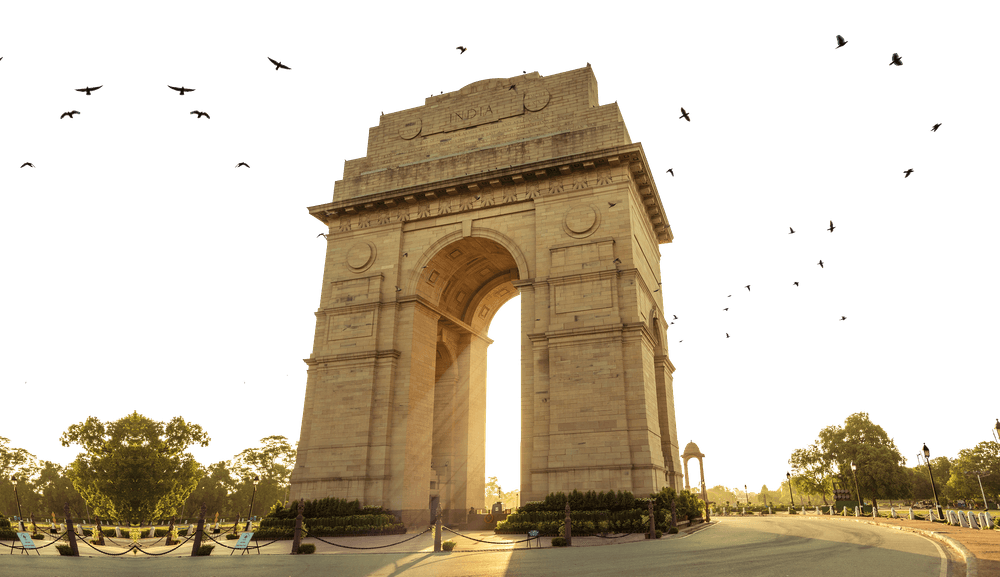
The 42-metre war memorial on Rajpath, built in 1931 in memory of 70,000 Indian soldiers who died in World War I. In the evening, with the flame burning and the lawns full of families and young people, it is one of those places that makes you feel the scale of the city around you.
Detail | Information |
Best time to visit | Evening, between 6pm and 8pm |
Entry fee | Free |
Metro station | Central Secretariat on Yellow and Violet Line interchange |
Best season | October to February – the lawns in winter are genuinely beautiful |
Nearby | National War Memorial, Kartavya Path, Rashtrapati Bhavan |
Walk the entire length of Kartavya Path from India Gate toward Rashtrapati Bhavan on a Sunday morning when it is car-free. It is one of the best walks in Delhi and most residents never do it.
The Soul of Delhi – Old Delhi
If the monuments are Delhi’s face, Old Delhi is its heart. Chaotic, dense, layered, and completely unlike anywhere else in the city.
5. Chandni Chowk
One of the oldest and busiest markets in Asia. Dating back to 1650, it is a maze of wholesale markets, food lanes, temples, mosques, and gurdwaras all packed into a few square kilometres.
What to Find | Where to Go |
Best street food in Delhi | Paranthe Wali Gali, Khari Baoli, Shyam Sweets |
Spices and dry fruits wholesale | Khari Baoli market – Asia’s largest spice market |
Silver jewellery | Dariba Kalan lane |
Wedding shopping | Kinari Bazaar for accessories, Nai Sarak for books |
Best chai in Delhi | The small stalls near Fatehpuri Masjid – no brand names, just good tea |
The Stanza Living lens: Go on a weekday morning, ideally before 10am. Take the metro to Chandni Chowk station. Eat breakfast at Paranthe Wali Gali before the crowds arrive. Budget two to three hours minimum. Do not take a car – you will not be able to move it.
6. Jama Masjid
India’s largest mosque, built by Shah Jahan between 1644 and 1656. It can hold 25,000 worshippers. The view of Old Delhi from the minarets is one of the best in the city.
Detail | Information |
Entry | Free for the mosque, small charge to climb the minarets |
Dress code | Conservative – arms and legs covered. Scarves available at the entrance. |
Best time | Early morning or just before Friday prayers for the atmosphere |
Camera fee | Rs 300 for cameras (phones generally allowed) |
South Delhi – Where the City Slows Down
South Delhi has a different energy. Tree-lined streets, independent cafes, ancient ruins sitting between residential blocks, and the kind of neighbourhood feel that the rest of Delhi does not always have.
7. Hauz Khas Village
A medieval water tank and mosque complex surrounded by one of Delhi’s most interesting neighbourhoods. Deer Park is right next door. The village lanes leading up to the complex are full of independent cafes, vintage stores, and art galleries.
Activity | Recommendation |
The ruins | Walk through them in the morning before the cafes open |
Deer Park | A genuinely underrated green space. Good for a morning run or evening walk. |
Cafes | Kunzum Travel Cafe for a quiet afternoon read, Imperfecto for evening |
Vintage shopping | The lanes leading up to the complex have good independent stores |
Street food | Kulfi and chaat stalls near the park entrance in the evening |
The Stanza Living lens: If you are based in South Delhi, Hauz Khas is your neighbourhood. If you are not, take the metro to Hauz Khas station on the Yellow Line. It is a 15-minute walk from the station to the village.
8. Mehrauli Archaeological Park
This is Delhi’s best-kept secret and most residents have no idea it exists. A 200-acre park in the shadow of the Qutub Minar that contains over 100 monuments from various periods of Delhi’s history – Mughal tombs, Lodi-era pavilions, British-era structures – scattered through a forested landscape.
Detail | Information |
Entry fee | Free |
Best time | Early morning on a weekday |
Time needed | 2 to 3 hours for a proper walk |
What to look for | Balban’s Tomb, Jamali Kamali Mosque and Tomb, Metcalfe’s Dilkusha |
Why it matters | Possibly the most historically dense piece of land in India |
You will have it almost entirely to yourself on a weekday morning. That experience – walking through a thousand years of history in almost complete quiet – is one of the things Delhi offers that no other city in India can match.
9. Lodhi Garden
A 90-acre garden in the middle of South Delhi containing the tombs of Mohammed Shah and Sikander Lodi from the 15th century. One of the most civilised green spaces in Delhi and genuinely beautiful in the early morning and at dusk.
Detail | Information |
Entry fee | Free |
Metro station | Jor Bagh on the Yellow Line |
Best time | 6am to 8am or 5pm to 7pm |
Crowd level | Manageable on weekdays, busier on weekends |
Nearby | Khan Market (10 minutes walk) – good for post-walk breakfast |
Markets and Food – The Real Delhi Experience
Delhi’s food and market culture is a subject that could fill its own guide. Here is a focused version for residents rather than tourists.
Best Markets by Category
Category | Market | Metro Access |
Books (new and second-hand) | Daryaganj Sunday Book Market | Lal Qila station |
Electronics | Nehru Place, Lajpat Rai Market | Nehru Place station |
Budget clothing | Sarojini Nagar, Lajpat Nagar | various Yellow and Pink Line stations |
Antiques and curios | Sunder Nagar Market, Dilli Haat | INA station |
Weekly flea market | Janpath on weekends | Rajiv Chowk station |
Organic and artisan | INA Market for produce, Dilli Haat for crafts | INA station |
Best Street Food Zones
Area | What to Eat |
Chandni Chowk | Paranthe, jalebi, rabri, kulfi, chaat |
Karim’s near Jama Masjid | Mutton korma, seekh kebab, nihari |
South Extension | Rolls, momos, rajma chawal stalls |
Lajpat Nagar | Chole bhature, gol gappe, lassi |
Bengali Market (CP) | Sweets, chaat, Bengali snacks |
Amar Colony | Tibetan food, thukpa, momos |
Hidden Delhi – The Places Only Residents Know
These are the spots that do not appear on the standard tourist circuit but that make living in Delhi feel like a genuine privilege.
Place | What It Is | Why Go |
Feroz Shah Kotla (Agrasen Ki Baoli) | A stepwell dating back to the 14th century | Architecturally stunning and almost always uncrowded |
Sunder Nursery | A 16th century heritage garden restored and reopened | Possibly the most beautiful garden in Delhi – far less crowded than Lodhi |
Majnu Ka Tilla | A Tibetan colony in North Delhi | Authentic Tibetan food, momos, thukpa, a completely different atmosphere |
Agrasen Ki Baoli | A 60-step ancient stepwell in the middle of Connaught Place | Surreal to find this level of history in the heart of the city |
Waste to Wonder Park | A park in Sarai Kale Khan with scale replicas of world wonders made from scrap | Genuinely impressive and very good for an evening walk |
Raj Ghat and the surrounding memorials | Mahatma Gandhi’s memorial and the surrounding garden | Quiet, reflective, worth an early morning visit |
Delhi by Season – When to Go Where
Season | Months | What Delhi Offers |
Winter | November to February | The best time to explore Delhi. Cool mornings, clear skies, fog in January. Every outdoor experience is better. |
Spring | March to April | Short but beautiful. Gardens are at their best. Holi in March is unmissable. |
Summer | May to June | Brutal heat (42 to 46 degrees). Focus on indoor experiences, museums, malls, and indoor markets. |
Monsoon | July to September | Dramatic skies, green parks, lower crowds at monuments. Some waterlogging. Worth braving for the atmosphere. |
Post-Monsoon | October | The best single month in Delhi. Clean air, comfortable temperatures, everything looks freshly washed. |
Living in Delhi vs Visiting Delhi – The Stanza Living Perspective
There is a difference between being a tourist in Delhi and actually living here. Tourists see the monuments; residents discover the city.
If you are looking forshared accommodation in delhi, Stanza Living has residences across Delhi’s key residential corridors. Having a well-located base allows you to take the metro to Chandni Chowk at 7am or explore Mehrauli Archaeological Park on a quiet Sunday morning.
For those searching for aroom for rent in delhi, our properties put you close to the city’s best neighborhoods, free from daily household logistics. Go explore. Delhi is waiting.
Quick Reference – Delhi’s Top Places at a Glance
Place | Zone | Entry Fee | Best Time | Metro Station |
Red Fort | Old Delhi | Rs 35 | Early weekday morning | Lal Qila |
Qutub Minar | South Delhi | Rs 40 | Early morning | Qutub Minar |
Humayun’s Tomb | Central-South | Rs 40 | Late afternoon | JLN Stadium |
India Gate | Central | Free | Evening | Central Secretariat |
Chandni Chowk | Old Delhi | Free | Weekday morning | Chandni Chowk |
Jama Masjid | Old Delhi | Free | Morning | Lal Qila |
Hauz Khas Village | South Delhi | Free | Morning or evening | Hauz Khas |
Lodhi Garden | South Delhi | Free | Early morning | Jor Bagh |
Mehrauli Archaeological Park | South Delhi | Free | Weekday morning | Qutub Minar |
Sunder Nursery | Central-South | Rs 30 | Morning | Hazrat Nizamuddin |
Agrasen Ki Baoli | Central | Free | Weekday morning | Barakhamba Road |
Dilli Haat | South Delhi | Rs 100 | Afternoon | INA |
FAQs
Q: What is the best time of year to explore Delhi?
A: October to February is the best window to explore the city. October is the sweet spot with clear air and comfortable temperatures, while December and January offer the famous Delhi winter charm.
Q: How do I get around Delhi most efficiently?
A: The Delhi Metro is far and away the best option as it is fast, air-conditioned, and affordable. For last-mile connectivity, you can easily find autos and e-rickshaws outside most metro stations.
Q: Is Delhi safe for students and young professionals exploring the city?
A: Delhi is generally safe, especially in well-known residential and tourist areas. The metro is safe at all hours, but it is always wise to use verified cab services after midnight and stay aware of your surroundings.
Q: What are the best free things to do in Delhi?
A: Many of Delhi’s top experiences are free, including visits to India Gate, Lodhi Garden, and the Mehrauli Archaeological Park. Walking through the lanes of Chandni Chowk or visiting the Sunday book market at Daryaganj are also great no-cost activities.
Q: What should students living in Delhi not miss?
A: Every resident should walk the Chandni Chowk food lane early in the morning and spend a quiet hour at Mehrauli Archaeological Park. A Sunday morning walk along Kartavya Path is also essential to experience the city’s colonial scale.
Q: How far is Stanza Living from the major tourist spots in Delhi?
A: Most major landmarks are accessible from any Stanza Living residence within 30 to 45 minutes by metro. Properties are strategically located in North, South, and East Delhi to ensure easy access to cultural and professional zones.



Top 10 Hospitals in Mangalore
Read more

Top 10 Hospitals in Dehradun, Uttarakhand
Read more

What Is Usually Included in PG Rent and What Costs Extra?
Read more

How Technology Is Improving the PG Living Experience for Residents
Read more

What Is Included in PG Rent and What Costs Extra?
Read more

How PG Living Affects Productivity, Privacy, and Daily Routine
Read more
- PGs in Bengaluru
- PGs in BTM Layout
- PGs in Banashankri
- PGs in Bellandur
- PGs in Domlur
- PGs in Electronic City Phase 1
- PGs in Electronic City Phase 2
- PGs in HSR Layout
- PGs in Hesaraghatta Road
- PGs in Kadubeesanahalli
- PGs in Kengeri
- PGs in Koramangala
- PGs in Kristu Jayanti
- PGs in Kumaraswamy Layout
- PGs in Kundalahalli Gate
- PGs in Magadi Road
- PGs in Mahadevapura
- PGs in Manyata Tech Park
- PGs in Marathahalli
- PGs in Mathikere
- PGs in RVCE
- PGs in Rajankunte
- PGs in Rajarajeshwari Nagar
- PGs in Reva University
- PGs in Sarjapur Road
- PGs in Soladevanahalli
- PGs in Whitefield
- Shanghai House, Bellandur
- Lincoln House, Electronic City Phase 1
- Norwich House, Marathahalli
- Vernon House, Reva University
- Durham House, Whitefield
- Seattle House, Bellandur
- Turin House, Electronic City Phase 1
- Sofia House, Sarjapur Road
- Incheon House, Reva University
- Heidelberg House, Kundalahalli Gate
- Rimini House, Bellandur
- Brussels House, Bellandur
- Frankfurt House, Koramangala
- Newport House, Reva University
- Sao Paulo House, Whitefield
- Springbok House, Kundalahalli Gate
- Bochum House, Bellandur
- Medan House, Whitefield
- Salta House, Reva University
- St Petersburg House, Manyata Tech Park
- Manchester House, Manyata Tech Park
- Ronda House, Reva University
- Salzburg House, Koramangala
- Cologne House, Mathikere
- Bratislava House, Koramangala
- Como House, Koramangala
- Vaduz House, Koramangala
- Dortmund House, Mathikere
- Fargo House, Mathikere
- Aswan House, Mathikere
- Rostock House, Mathikere
- Granada House, RVCE
- Cordoba House, RVCE
- Spielberg House, Koramangala
- Laredo House, Mathikere
- Vilnius House, Mathikere
- Podolsk House, Koramangala
- Anamur House, Kumaraswamy Layout
- Lobito House, Mathikere
- Crotone House, Rajarajeshwari Nagar
- Casper House, Domlur
- Bilbao House, HSR Layout
- Batumi House, Rajarajeshwari Nagar
- Scottsdale House, Marathahalli
- Villareal House, Koramangala
- Kiev House, Kumaraswamy Layout
- Modesto House, HSR Layout
- Cuneo House, Rajarajeshwari Nagar
- Lafayette House, Koramangala
- Modena House, Manyata Tech Park
- Jounieh House, BTM Layout
- Nome House, Rajarajeshwari Nagar
- Volos House, Kengeri
- Cicero House, Electronic City Phase 2
- Tumaco House, Kumaraswamy Layout
- Monza House, Whitefield
- Huelva House, RVCE
- Managua House, Soladevanahalli
- Serov House, Rajankunte
- Langley House, Kadubeesanahalli
- Bakersfield House, Whitefield
- Jerez House, Koramangala
- Chatham House, Marathahalli
- Viseu House, Mathikere
- Dublin House, Electronic City Phase 2
- Davao House, Soladevanahalli
- Debrecan House, Rajarajeshwari Nagar
- Wakefield House, Kadubeesanahalli
- Wichita House, Magadi Road
- Leeds House, Koramangala
- Padova House, Magadi Road
- Teresina House, Koramangala
- Rotherham House, Kumaraswamy Layout
- Krefeld House, Magadi Road
- Luhansk House, Kengeri
- Bismarck House, Soladevanahalli
- Albury House, Rajankunte
- Cayenne House, Mahadevapura
- Glencoe House, Rajankunte
- Salisbury House, Kristu Jayanti
- Cork House, HSR Layout
- Watford House, Rajankunte
- Saratov House, Rajarajeshwari Nagar
- Nottingham House, Mahadevapura
- Varda House, Hesaraghatta Road
- Kampala House, Banashankri
- Flats in Bengaluru
- Flats in BTM Layout
- Flats in Bellandur
- Flats in Electronic City Phase 1
- Flats in Electronic City Phase 2
- Flats in HSR Layout
- Flats in JP Nagar
- Flats in Koramangala
- Flats in Kumaraswamy Layout
- Flats in Manyata Tech Park
- Flats in Marathahalli
- Flats in Sarjapur Road
- Flats in Whitefield
- PGs in Mumbai
- PGs in Andheri East
- PGs in Bandra
- PGs in Juhu
- PGs in Vile Parle
- Benin House, Bandra
- Norman House, Andheri East
- Monterrey House, Juhu
- New Orleans House, Vile Parle
- Flats in Mumbai
- Flats in Andheri East
- Flats in Vile Parle
- PGs in Gurgaon
- PGs in Golf Course Extension
- PGs in HUDA City Center
- PGs in Medanta
- PGs in Sohna Road
- Dunkirk House, Sohna Road
- Tortosa House, Golf Course Extension
- Pisa House, HUDA City Center
- Taiping House, Medanta
- Crawley House, Medanta
- Flats in Gurgaon
- Flats in DLF Phase 4
- Flats in Golf Course Extension
- Flats in Golf Course Road
- Flats in HUDA City Center
- Flats in Medanta
- Flats in Sohna Road
- PGs in Pune
- PGs in Akurdi
- PGs in Balewadi
- PGs in Baner
- PGs in Dhankawadi
- PGs in Hinjawadi
- PGs in Karve Nagar
- PGs in Kharadi
- PGs in Kondhwa
- PGs in Kothrud
- PGs in Lohegaon Dhanori
- PGs in Narhe
- PGs in Senapati Bapat Road
- PGs in Shivaji Nagar
- PGs in Vadgaon
- PGs in Viman Nagar
- PGs in Wagholi
- PGs in Wakad
- Austin House, Kondhwa
- Haifa House, Baner
- Whitehaven House, Wagholi
- Malmo House, Viman Nagar
- Pelotas House, Vadgaon
- Florence House, Hinjawadi
- Karlsruhe House, Wakad
- Sarnen House, Dhankawadi
- Kingston House, Wagholi
- Shiraz House, Dhankawadi
- Parma House, Hinjawadi
- Barnsley House, Lohegaon Dhanori
- Tel Aviv House, Baner
- Giza House, Dhankawadi
- Positano House, Hinjawadi
- Tobruk House, Karve Nagar
- Girona House, Dhankawadi
- Tartus House, Vadgaon
- Amiens House, Kharadi
- Alanya House, Kharadi
- Cosenza House, Shivaji Nagar
- Alexandria House, Dhankawadi
- Livermore House, Viman Nagar
- Mansa House, Karve Nagar
- Napier House, Akurdi
- Akron House, Kothrud
- Kenitra House, Dhankawadi
- Andria House, Senapati Bapat Road
- Syzran House, Kondhwa
- Mogilev House, Narhe
- Reno House, Hinjawadi
- Ripon House, Wagholi
- Pinsk House, Vadgaon
- Schengen House, Wakad
- Sidon House, Vadgaon
- Oran House, Karve Nagar
- Dover House, Wakad
- Semey House, Wakad
- Tallinn House, Hinjawadi
- Juliaca House, Kondhwa
- Evansville House, Viman Nagar
- Herat House, Lohegaon Dhanori
- Upington House, Karve Nagar
- Mckinney House, Karve Nagar
- Boulder House, Shivaji Nagar
- Waco House, Balewadi
- Presov House, Viman Nagar
- Pereira House, Wakad
- Reynosa House, Hinjawadi
- Marseille House, Hinjawadi
- Sarasota House, Shivaji Nagar
- Torreon House, Wagholi
- Flats in Pune
- Flats in Balewadi
- Flats in Hadapsar
- Flats in Pimple Saudagar
- Flats in Wakad
- PGs in Ahmedabad
- PGs in Bopal & Shilaj
- PGs in Gota
- PGs in Navrangpura
- PGs in Vastrapur & Thaltej
- Wilmington House, Navrangpura
- Portland House, Gota
- Annapolis House, Navrangpura
- Odessa House, Gota
- Evanston House, Vastrapur & Thaltej
- Elgin House, Bopal & Shilaj
- Callao House, Navrangpura
- PGs in Hyderabad
- PGs in Ameerpet
- PGs in Aziznagar
- PGs in Gachibowli
- PGs in Gandi Maisamma
- PGs in Kondapur
- PGs in Kukatpally
- PGs in Madhapur
- PGs in Narsingi
- PGs in Q City
- Bagan House, Kukatpally
- Burnley House, Kondapur
- Amarillo House, Q City
- Vernier House, Narsingi
- Lagos House, Gandi Maisamma
- Syracuse House, Gandi Maisamma
- Mendoza House, Gachibowli
- Limoges House, Gachibowli
- Canberra House, Kukatpally
- Conroe House, Gachibowli
- Kassel House, Gachibowli
- Launceston House, Aziznagar
- Winnipeg House, Madhapur
- Bremen House, Gachibowli
- Brasov House, Aziznagar
- Munich House, Gachibowli
- Zenica House, Gandi Maisamma
- Marianna House, Gachibowli
- Sunderland House, Gachibowli
- Memphis House, Q City
- Sandakan House, Aziznagar
- Rabat House, Gachibowli
- Tuzla House, Gandi Maisamma
- Meknes House, Gandi Maisamma
- Belgrade House, Ameerpet
- Merlo House, Aziznagar
- Gateshead House, Gandi Maisamma
- Queenstown House, Aziznagar
- Flats in Hyderabad
- Flats in Gachibowli
- Flats in Hitec City
- Flats in Kondapur
- Flats in Q City
- PGs in Delhi
- PGs in Laxmi Nagar
- PGs in North Campus
- PGs in South Campus
- Sendai House, South Campus
- Cardiff House, Laxmi Nagar
- Boston House, North Campus
- Quito House, Laxmi Nagar
- Nagoya House, South Campus
- Montreal House, North Campus
- Poznan House, Laxmi Nagar
- Perugia House, Laxmi Nagar
- Kiel House, North Campus
- Kobe House, South Campus
- Sheffield House, North Campus
- Penzance House, North Campus
- Hiroshima House, South Campus
- Toronto House, North Campus
- San Diego House, North Campus
- Kawasaki House, South Campus
- Bukhara House, North Campus
- Derby House, North Campus
- Weymouth House, North Campus
- Armagh House, North Campus
- Ventura House, North Campus
- Okazaki House, South Campus
- Ancona House, Laxmi Nagar
- Nuremberg House, North Campus
- PGs in Chennai
- PGs in Anna Nagar
- PGs in Guindy
- PGs in Nungambakkam
- PGs in OMR
- PGs in Pallavaram
- PGs in Poonamallee
- PGs in Porur
- PGs in Urapakkam
- PGs in Vadapalani
- Eugene House, Poonamallee
- Doncaster House, Pallavaram
- Agadir House, Porur
- Getafe House, OMR
- Clarksville House, Nungambakkam
- Luton House, Porur
- Conway House, OMR
- Flensburg House, Nungambakkam
- Osasco House, Nungambakkam
- Toledo House, Nungambakkam
- Vitoria House, OMR
- Tulsa House, Nungambakkam
- Greensboro House, OMR
- Santa Rosa House, OMR
- Mataro House, OMR
- Tyler House, OMR
- Harrogate House, Urapakkam
- Latina House, Porur
- Sarnia House, Porur
- Irving House, Porur
- Murcia House, Anna Nagar
- Naperville House, Pallavaram
- Springfield House, Pallavaram
- Mazatlan House, Pallavaram
- Mildura House, Vadapalani
- Essen House, Porur
- Fernley House, Urapakkam
- Shumen House, Guindy
- Warrington House, Pallavaram
- Knoxville House, Pallavaram
- Grodno House, Guindy
- Flats in Chennai
- Flats in Guindy
- Flats in OMR
- Flats in Porur
- PGs in Coimbatore
- PGs in Avinashi Road
- PGs in Gandhipuram
- PGs in Saravanampatti
- Adana House, Avinashi Road
- Cali House, Avinashi Road
- Brunswick House, Avinashi Road
- Calgary House, Avinashi Road
- Smolensk House, Avinashi Road
- Carmen House, Avinashi Road
- Waterloo House, Avinashi Road
- Savannah House, Avinashi Road
- Rivas House, Gandhipuram
- Salto House, Avinashi Road
- Quimper House, Saravanampatti
- Metz House, Saravanampatti
- PGs in Greater Noida
- PGs in Knowledge Park
- Rijeka House, Knowledge Park
- Athens House, Knowledge Park
- Paris House, Knowledge Park
- Chicago House, Knowledge Park
- Adelaide House, Knowledge Park
- PGs in Vadodara
- PGs in Ajwa Road
- PGs in Fatehgunj
- PGs in Sayaji Bagh
- PGs in Waghodia Road
- Auckland House, Waghodia Road
- Wellington House, Ajwa Road
- Hamilton House, Ajwa Road
- Oslo House, Sayaji Bagh
- Drammen House, Fatehgunj
- PGs in Dehradun
- PGs in Pondha
- Kotor House, Pondha
- Semarang House, Pondha
- Luzon House, Pondha
- Marsala House, Pondha
- Zaragoza House, Pondha
- Yangon House, Pondha
- Pattaya House, Pondha
- Koh Samui House, Pondha
- Manila House, Pondha
- Rennes House, Pondha
- PGs in Indore
- PGs in Bhanwar Kua
- PGs in Geeta Bhawan
- PGs in Rau
- PGs in Vijay Nagar
- Tunis House, Rau
- Riga House, Bhanwar Kua
- Lucerne House, Vijay Nagar
- Verona House, Rau
- Boden House, Bhanwar Kua
- Elista House, Bhanwar Kua
- Pasadena House, Vijay Nagar
- Pretoria House, Bhanwar Kua
- Segovia House, Vijay Nagar
- Santa Barbara House, Bhanwar Kua
- Easton House, Vijay Nagar
- Durban House, Geeta Bhawan
- Trafford House, Vijay Nagar
- Beira House, Geeta Bhawan
- Kolding House, Geeta Bhawan
- Caen House, Vijay Nagar
- Valera House, Vijay Nagar
- Prato House, Rau
- Culiacan House, Bhanwar Kua
- Rotorua House, Rau
- Minya House, Vijay Nagar
- Cameron House, Vijay Nagar